

 2021-03-02
 372
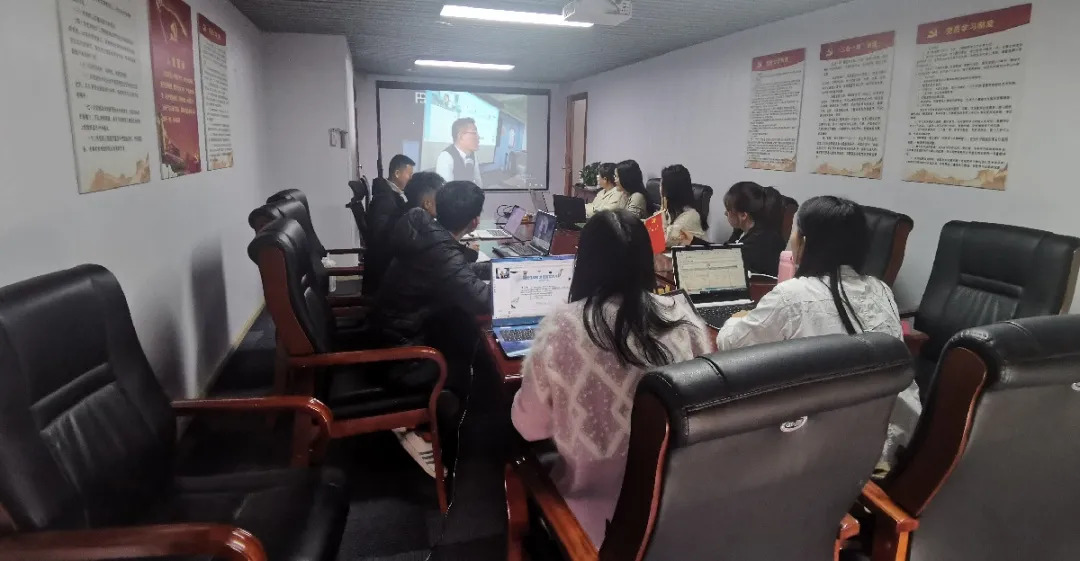
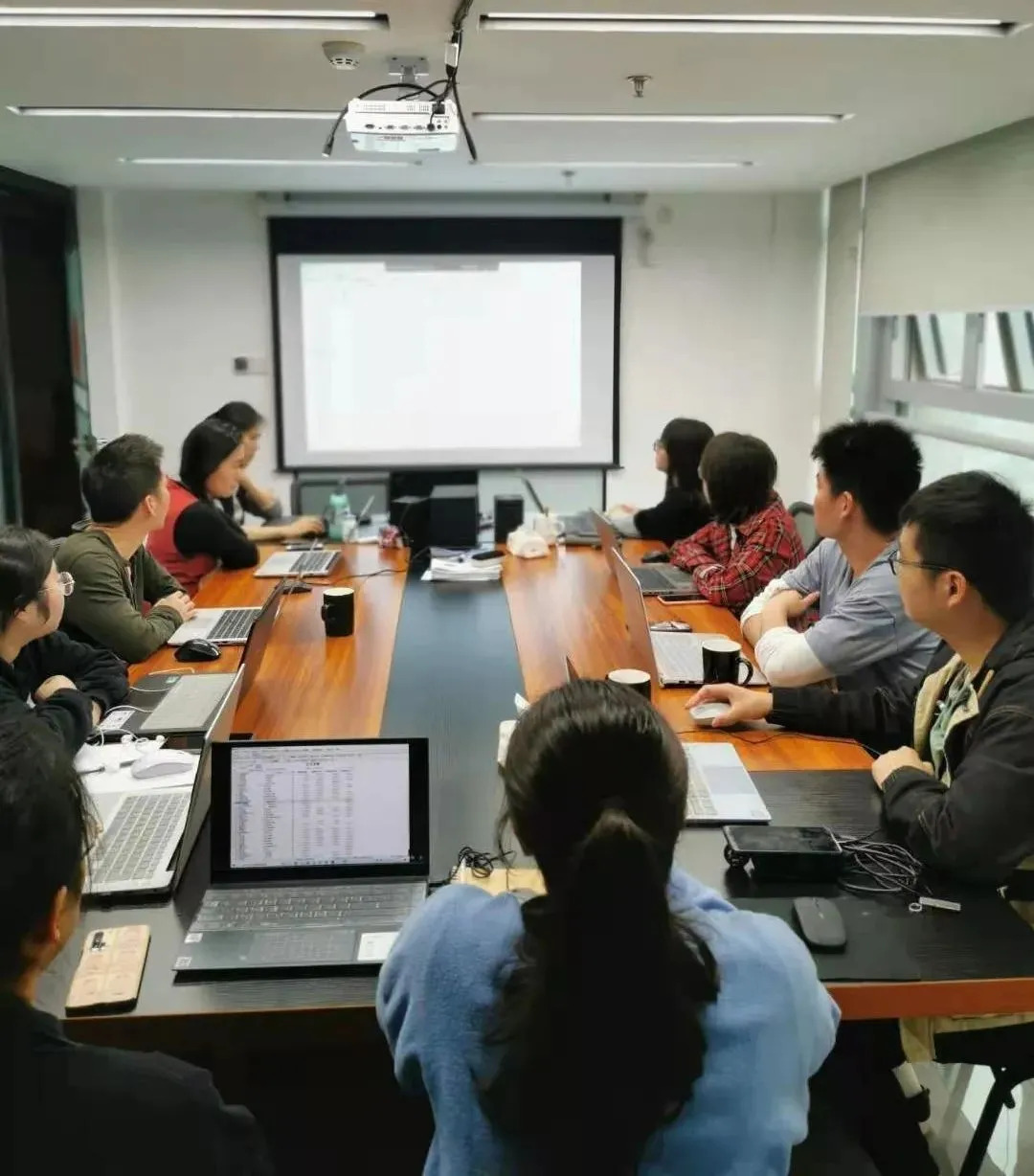
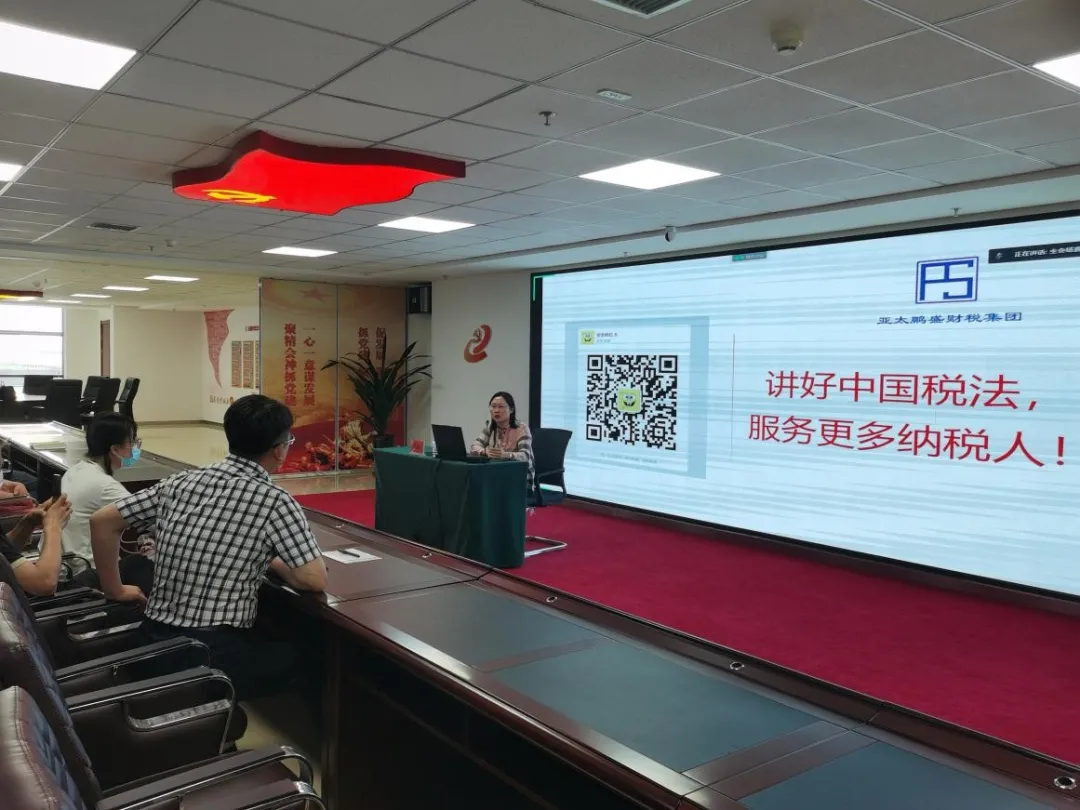
To ensure the quality of the firm's 2020 audit reports, standardize the audit working papers of the firm's branches across the country, and fully leverage the core strength of the professional backbone team, from February 26 to 28, Pengsheng Certified Public Accountants headquarters organized a three‑day systematic training for professionals including partners and signing CPAs from over 30 branches and various business divisions nationwide. The training was conducted through a combination of online and offline, on‑site and remote participation. More than 100 professionals attended the training at the headquarters on‑site, while thousands of professionals from branches across the country participated in real‑time online training simultaneously. This was the most effective internal training activity since the establishment of Pengsheng, with the largest number of participants, the broadest scope of involvement, and the most comprehensive content.
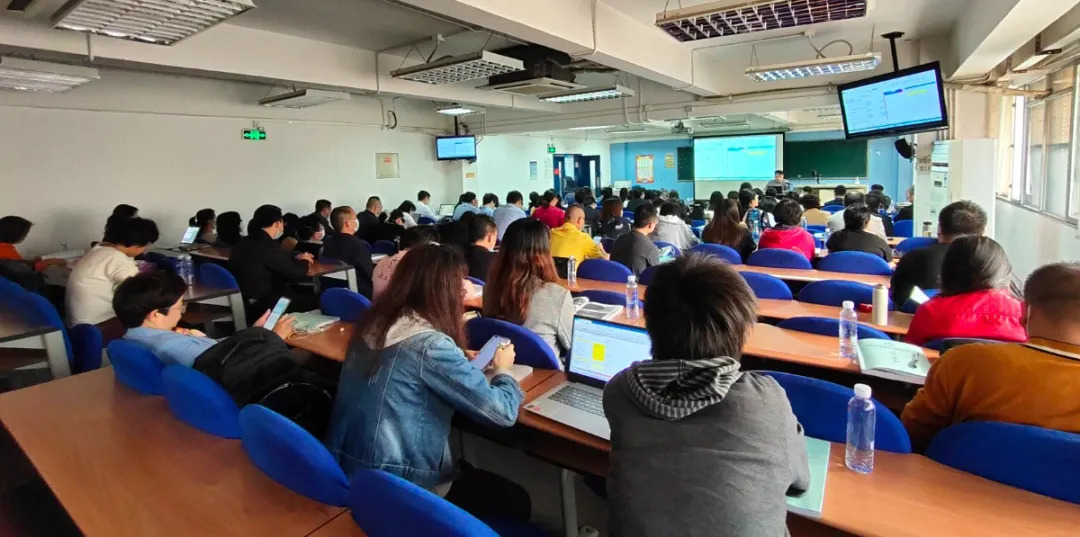
This training was led by Professor Jiang Zi'an, Managing Partner and Chief Learning Officer of Pengsheng. The lecturer team consisted of four experts: Zhu Zhaobin, head of Suzhou Branch; Chen Haiqiang, Managing Partner and Chief Information Officer; and Chen Youliang, Managing Partner and General Manager of the Quality Control Department.
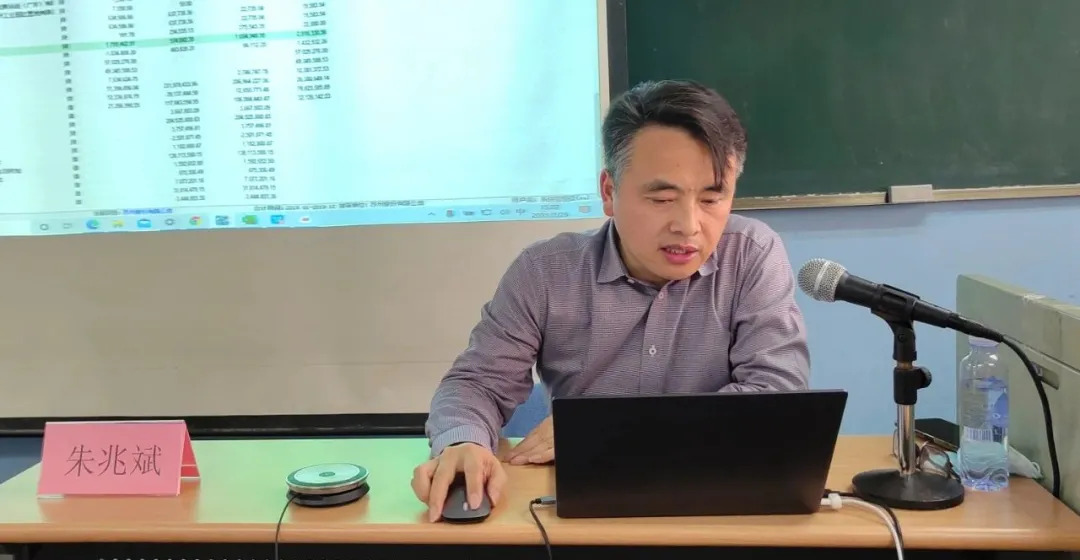
Photo | Zhu Zhaobin
On the 26th, Teacher Zhu started with audit working papers and spent the whole day sharing "Audit Reports for Small Enterprises." He focused on the overall requirements for auditing small enterprises, how to complete the main working papers using audit software, and how to respond to common issues in various account areas. He pointed out that as auditors, we should not only meet the needs of report users, but also produce reports that we ourselves are confident in. Finally, Teacher Zhu humorously remarked: "If heaven had feelings, it would grow old too—don't bring your audit attitude into life, keep yourself young; the moon waxes and wanes, complain less about audit work, and make life more rounded and fulfilling."
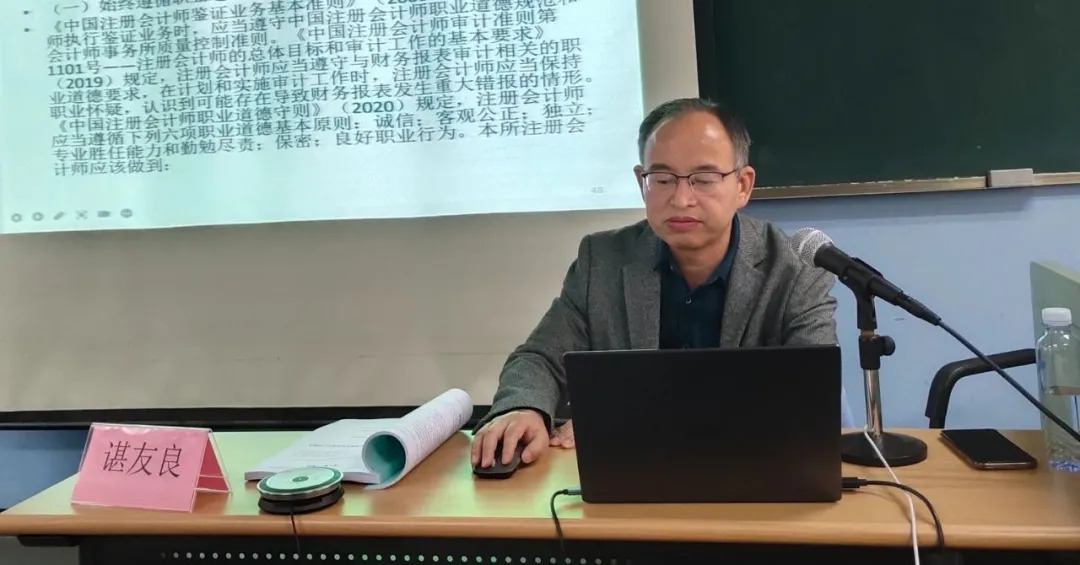
Photo | Chen Youliang
On the morning of the 27th, Teacher Chen focused on "Quality Control Requirements for Annual Financial Statement Audits," covering four aspects: "Chaos, Strict Supervision, and Business Acceptance," "Documents from Regulatory Authorities, Industry Associations, Stock Exchanges, and the NEEQ System," "Business Execution and Quality Management Requirements," and "Respect for Regulation." Combining policy documents and various case studies, he emphasized that quality is the lifeline of the firm. We must act in a standardized manner, be strict in our requirements, respect the market, and continuously enhance our awareness of risk prevention.
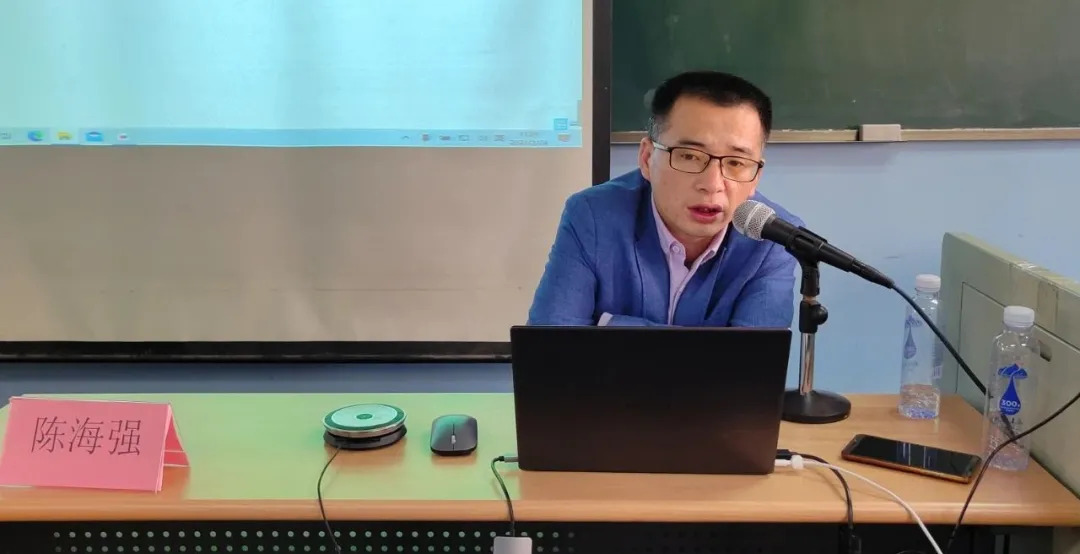
Photo | Chen Haiqiang
Starting on the afternoon of the 27th, Teacher Chen spent a full day sharing "Preparation of Audit Working Papers for Listed Companies," from the initial business activities to the issuance of the audit report. Using a combination of theoretical knowledge and practical case studies, he pointed out in plain language all the possible issues that may arise in actual operations. Finally, Teacher Chen emphasized that audit language should be concise and precise, and we must accurately grasp the degree of detail and fully prepare audit working papers in accordance with auditing standards.
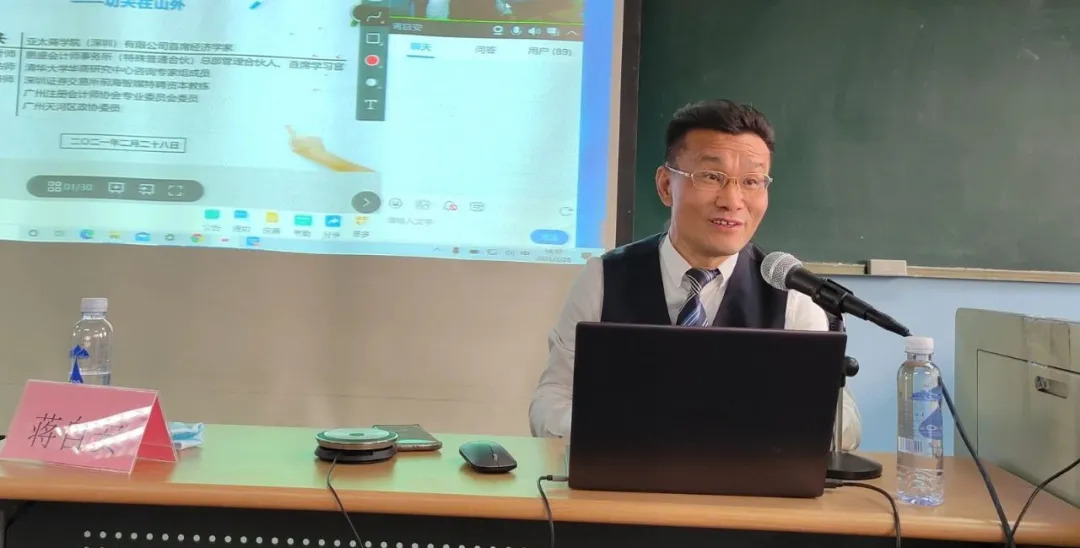
Photo | Jiang Zi'an
As the lead organizer of this training, Teacher Jiang gave the concluding session on the afternoon of the 28th, focusing on "Systemic Financial Fraud and Substantive Auditing." He proposed that Pengsheng should be built into a learning‑oriented organization as soon as possible, and vigorously cultivate a lecturer team. He believed that Pengsheng's lecturers are not just traditional instructors, but rather individuals with rich practical experience and deep professional insights in specific fields, who can truly serve as professional role models. As long as one has a solid foundation and broad knowledge, any professional from the headquarters or branches can apply to join the Pengsheng lecturer team.
The training focused on the quality control requirements for the 2020 annual financial statement audits, targeting audit working papers for listed companies and small enterprises, as well as hot topics such as systemic financial fraud and substantive auditing. The content was rich, practical, and precisely aligned with the needs of annual report audits. Through concentrated learning, participants consolidated their professional knowledge, established correct concepts, broadened their business thinking, exchanged practical experience, built team camaraderie, and shared their professional journeys. They brainstormed and shared insights, collectively devising constructive ideas and plans for the coordinated development of the headquarters and branches nationwide.
In his concluding remarks, Teacher Jiang Zi'an urged all participants to quickly digest the training content in light of their actual business. Training is not only about acquiring knowledge, but also about extending and solving new problems.
Branches organizing online learning
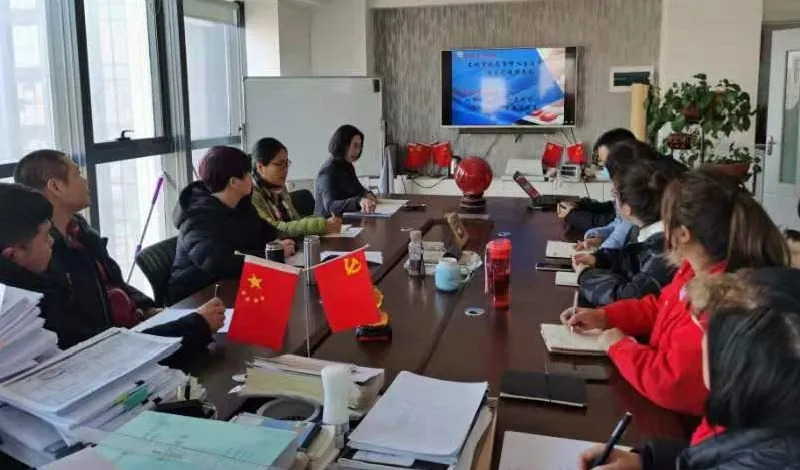
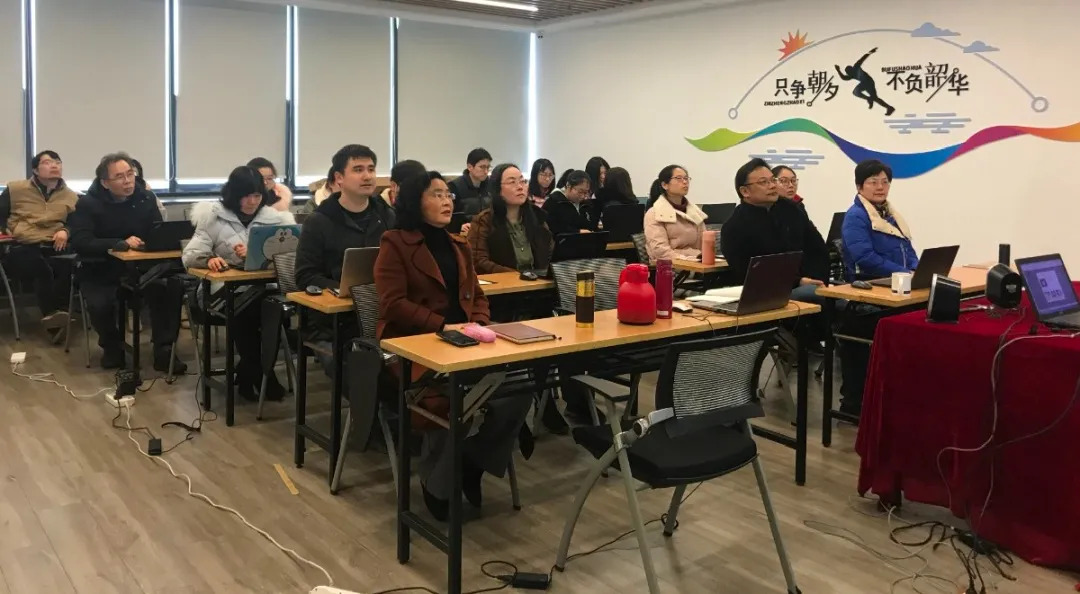
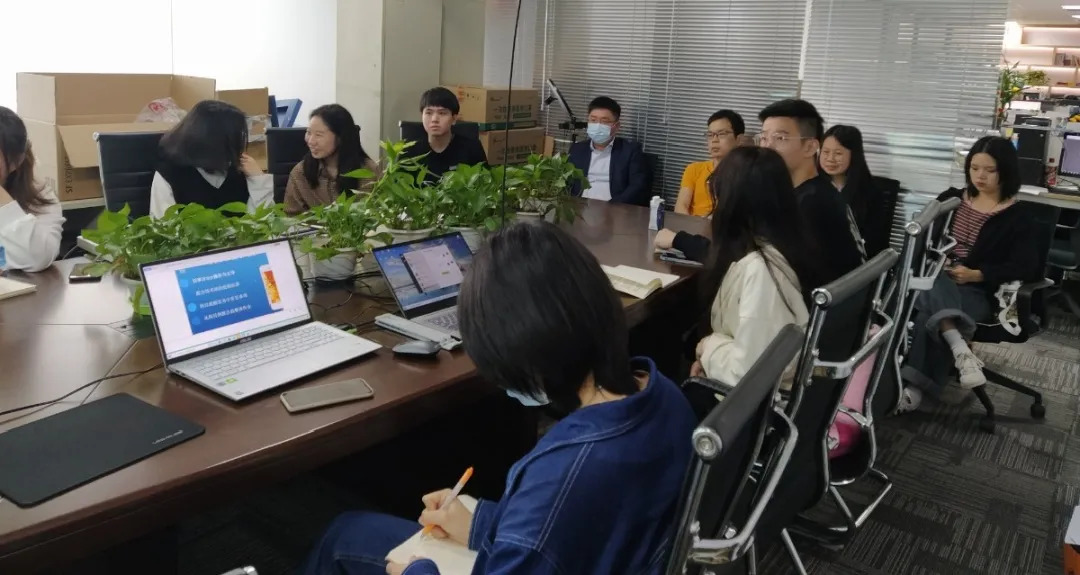
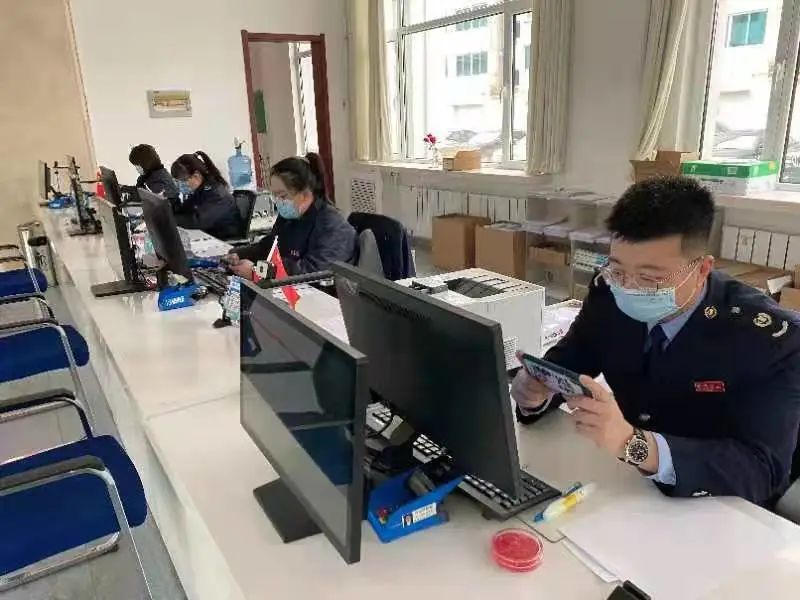
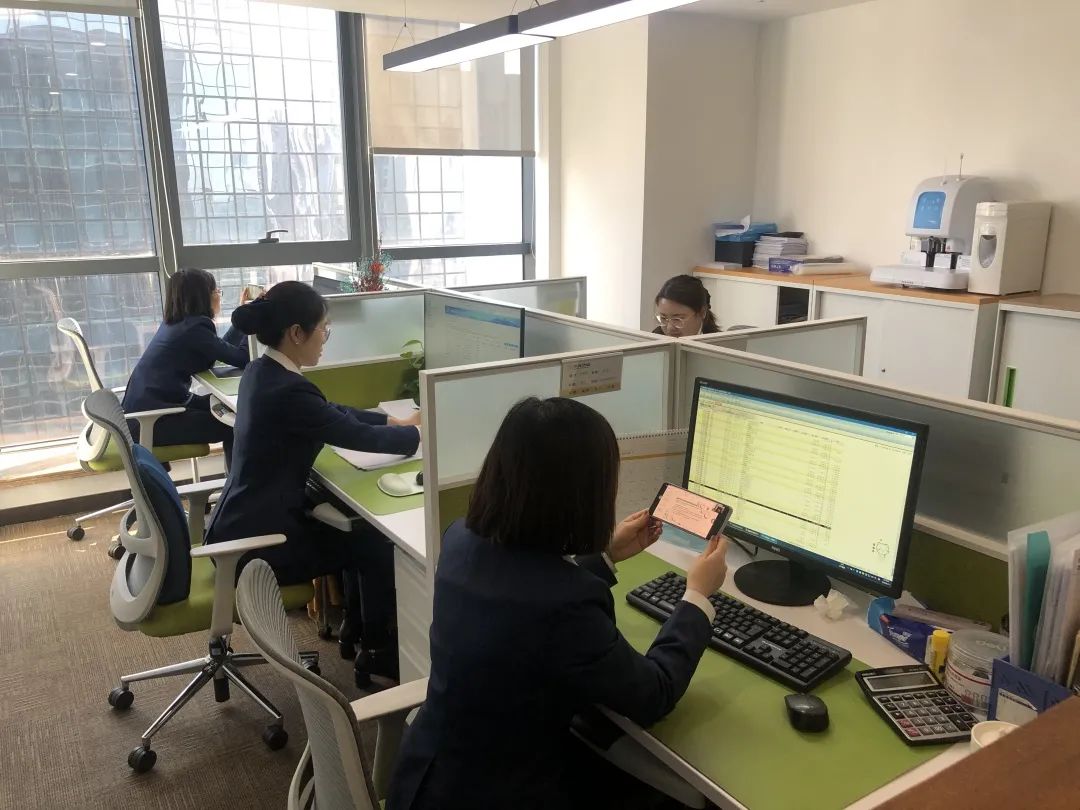
Branches organizing online learning


 Official WeChat
 Official WeChat
